

A cut-to-length line rarely fails all at once. Sheets start to come off slightly out of square. Length varies by a millimetre more than it used to. The shear sounds different on thicker material. Flatness complaints creep up. Each of these is an early signal, and a preventive maintenance routine is how a plant catches them before they become unplanned downtime.
This article sets out a practical framework for cut to length line maintenance, organised by the main sections of the line: decoiler, leveller, feeder and measuring system, shear, conveyor and stacker, and the hydraulic and electrical systems. It complements our separate slitting line maintenance checklist, which covers slitting-specific equipment. It is general guidance. Inspection intervals, lubrication specifications, torque values and repair procedures must come from your equipment manufacturer’s manuals, and all work must follow your plant’s safety and lockout procedures.
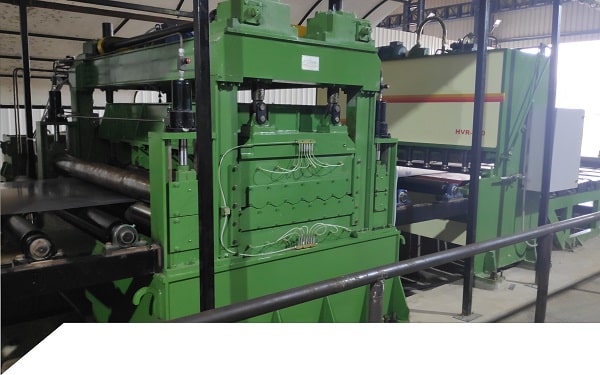
Safety Comes First
Cut-to-length lines combine heavy rotating equipment, stored hydraulic pressure, shear blades and moving stacks of sheet. Maintenance work on them must be carried out only by trained and authorised personnel, with the line isolated from all energy sources.
- Isolate and lock out electrical, hydraulic and pneumatic energy before any work inside guarded areas. OSHA’s resources on control of hazardous energy (lockout/tagout) describe the principles; plants in India should follow the applicable national and state regulations and their own procedures.
- Release stored energy, including hydraulic accumulators, raised shear blades and tensioned strip.
- Keep guards in place during operation and refit them after maintenance. OSHA’s machine guarding resources list the relevant requirements and consensus standards.
- Never bypass interlocks or safety devices to save time.
- Escalate anything outside the scope of routine checks to qualified maintenance staff or the equipment manufacturer.
How to Structure the Routine
A workable routine usually has three levels:
- Shift checks by operators: visual inspection, listening for abnormal noise, checking for leaks and confirming safety devices work
- Periodic inspections by maintenance staff, at intervals set by the manufacturer and adjusted to operating hours and material
- Planned overhauls during scheduled shutdowns, for work that requires dismantling
The checklist below groups typical items by section. Use it as a starting framework and align it with your manufacturer’s manual.
Decoiler and Entry Section
- Check the mandrel expansion and segments for wear and correct operation
- Inspect the coil car for smooth travel and correct lift
- Check the hold-down roll, snubber or peeler for wear and damage
- Confirm the decoiler brake or drag functions correctly
- Look for hydraulic leaks at cylinders and fittings
- Lubricate as specified by the manufacturer
Leveller
The leveller has a strong influence on sheet flatness, so its condition shows up directly in product quality.
- Inspect work rolls for marks, pick-up, wear or damage that can transfer to the sheet
- Check backup rolls for free rotation and wear
- Keep rolls clean, especially when changing between materials
- Check that roll gap adjustment moves smoothly and that indicators read correctly
- Monitor gearboxes and universal joints for noise, heat or leaks
- Track flatness results; a gradual change at the same settings can indicate wear
For more on how leveller condition and settings affect flatness, see our article on common problems in cut-to-length lines.
Feeder and Length Measuring System
Length accuracy depends on the feeder and measuring system working precisely.
- Inspect feed rolls or grippers for wear, contamination and correct pressure
- Check measuring wheels or encoders for slippage, wear and secure mounting
- Verify measured length against physical sheet measurement at regular intervals
- Check for strip slippage, which can show up as length variation
- Inspect loop sensors, where the line has a loop
Shear
- Inspect blades for chipping, wear and edge condition
- Monitor cut-edge quality and burr, which indicate blade condition and clearance
- Check blade clearance as specified by the manufacturer, and adjust only according to the manual
- Check that blade fasteners are secure
- Inspect guides and gibs for wear and correct adjustment
- For flying or rotary shears, check synchronisation and drive components
- Monitor for abnormal noise or vibration during cutting
Blade handling is a hazardous task. Blade changes and regrinding should follow the manufacturer’s procedure with the shear fully isolated and secured.
Conveyor and Stacker
- Check belts or rollers for wear, tracking and surface damage that can mark sheets
- Inspect stacker side guides and end stops for alignment
- Check that stack lowering and pallet handling operate smoothly
- Confirm sheet counting and stack height sensors work correctly
- Inspect magnetic or vacuum handling devices, where fitted
Hydraulic System
- Check oil level and temperature during operation
- Inspect hoses, fittings and cylinders for leaks or damage
- Monitor filter condition indicators and replace filters as specified
- Have oil condition checked at the intervals recommended by the manufacturer or oil supplier
- Check system pressures against specification
Electrical and Controls
- Test emergency stops and safety interlocks
- Check that control panel cooling fans and filters are clean
- Inspect cables and connectors for damage, especially on moving equipment
- Back up PLC programs and parameters, and keep a record of changes
- Review alarm history for recurring faults
Records and Escalation
A maintenance routine is only as good as its records. Log each inspection, finding and action. Over time, records show which components wear fastest, how blade life relates to material, and whether faults are recurring. That information helps you plan spares and adjust intervals.
Escalate to qualified maintenance staff or the manufacturer when you see:
- Cracks in structural parts, shafts or blades
- Persistent length or squareness errors that adjustment does not fix
- Abnormal noise, vibration or heat in gearboxes or bearings
- Repeated hydraulic failures
- Any malfunction of safety devices
Thick Material and HR Lines
Lines processing heavy hot-rolled material place higher loads on levellers and shears, and mill scale adds abrasion. These lines generally need closer attention to roll and blade wear. Our guide to leveller and shear selection for HR cut to length lines covers the equipment side of heavy-gauge processing.
Conclusion
A cut-to-length line maintained by section, with operator checks, scheduled inspections and good records, is more likely to hold length accuracy, flatness and cut quality, and less likely to stop unexpectedly. The framework above gives a starting point. The manufacturer’s manual and your plant’s safety procedures set the specifics.
Explore Valgo’s Coil Processing Solutions and cut to length lines. For machine-specific maintenance guidance or support, Contact Valgo Group.
